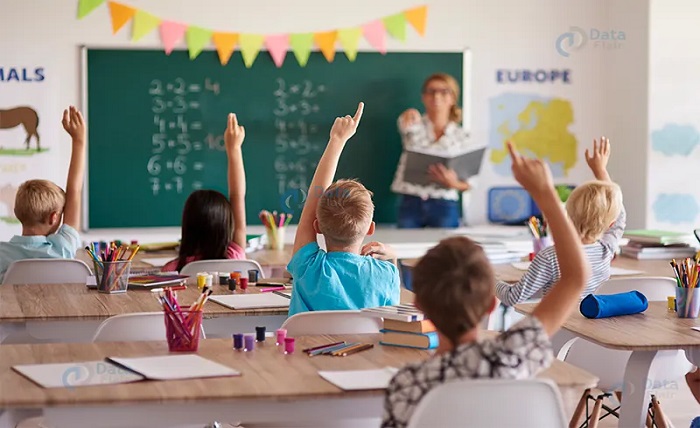
Few decisions carry as much weight for parents as where to send their kids to school. It’s the kind of choice that affects daily routines, social circles, academic trajectories, and in some cases the entire family’s budget for the next decade or more. And unlike most big decisions, this one comes with a healthy dose of guilt no matter which direction you go. Pick public and you wonder if you’re shortchanging your kid. Pick private and you wonder if you’re overthinking it or stretching the finances too thin.
The truth is that neither option is universally better. The right choice depends on the specific schools available to you, what your child needs, and what your family values most. But understanding the real differences, not the stereotypes, is the only way to make that decision with any confidence.
What Public Schools Actually Offer
Public schools get a bad reputation in certain circles, and a lot of it is undeserved. The quality of public education in the United States varies enormously depending on where you live, and painting all public schools with the same brush is both inaccurate and unhelpful.
Strong public schools, and there are plenty of them, offer a breadth of programming that many private schools can’t match. Larger student populations mean more elective options, more extracurricular activities, more sports teams, and more Advanced Placement or honors course offerings. A well-funded public high school might have a robotics lab, a performing arts program, a full athletic department, and dozens of clubs that expose students to interests they’d never encounter in a smaller setting.
Public schools also reflect the broader community in ways that matter for a child’s social development. The student body tends to be more diverse in terms of race, socioeconomic background, and family structure. For parents who want their kids to grow up understanding the world as it actually is rather than a curated version of it, that diversity is a meaningful advantage.
There’s also the financial reality. Public school is funded by taxes. There’s no tuition bill. For families where private school tuition would create real financial strain, that’s not a minor consideration. Money that would go toward tuition can instead go toward tutoring, extracurricular programs, college savings, or simply reducing the kind of household financial stress that affects kids whether parents talk about it or not.
The downsides are real, though. Class sizes in public schools tend to be larger. Individual attention from teachers can be harder to come by, especially in underfunded districts. Bureaucratic constraints can slow down the pace of change, and parents sometimes feel like they have less influence over curriculum, discipline policies, and the overall school culture. And if you happen to live in a district where the schools are genuinely struggling, your options within the public system may be limited without moving to a different neighborhood.
What Private Schools Bring to the Table
Private schools operate with a fundamentally different model, and that model creates advantages that are worth understanding clearly even if you’re leaning toward public education.
The most obvious difference is class size. Private schools almost always have smaller student-to-teacher ratios, which means more individualized instruction, more direct feedback, and more opportunities for teachers to identify and address a student’s specific strengths and challenges. For kids who thrive with close mentorship or who need extra support that a larger classroom can’t easily provide, that ratio can make a real difference in outcomes.
Curriculum flexibility is another significant factor. Private schools aren’t bound by the same state mandates that govern public school curricula, which gives them room to design programs around a specific educational philosophy, a particular set of values, or an approach to learning that might be a better fit for certain students. Some private schools emphasize project-based learning. Others focus on classical education, STEM immersion, or arts integration. The variety is wide, and that variety means parents can find environments that genuinely align with how their child learns best.
Schools like Embrace Academy in Las Vegas are a good example of what the private school landscape looks like in practice. It’s a smaller, community-oriented school that focuses on creating an environment where students get the kind of personal attention and tailored support that larger institutions sometimes struggle to provide. For families in the Las Vegas area who feel like the traditional public school setting isn’t the right fit for their kid, a school like that represents exactly the kind of alternative that makes the private option worth exploring.
Private schools also tend to have more control over their culture and community standards. Discipline policies, behavioral expectations, and the overall tone of the school environment are shaped by the administration without the layers of bureaucratic oversight that public schools navigate. For parents who want a tighter, more intentional community with clear and consistent expectations, that’s a draw.
The tradeoff, of course, is cost. Private school tuition ranges widely, but it’s never free. Some families qualify for financial aid or scholarships, and many schools work hard to make their programs accessible to a broader range of incomes. But for a lot of families, tuition is the single biggest factor in the decision, and it’s the one that makes the conversation about public versus private feel less like a philosophical debate and more like a math problem.
The Questions That Actually Matter
Rather than asking which type of school is better in the abstract, parents tend to make better decisions when they focus on a few specific questions about their own situation.
What does your child need right now? Some kids are thriving socially and academically and just need a solid, stable environment to keep growing. Others are struggling with attention, motivation, confidence, or learning differences that might benefit from a smaller setting with more hands-on support. The answer to this question should carry more weight than any ranking list or reputation.
What are the actual schools you’re choosing between? Comparing the concept of public school against the concept of private school is a waste of time. Comparing the specific public school your child would attend against the specific private school you’re considering is useful. Visit both. Talk to parents whose kids go there now. Sit in on a class if you can. The gap between the best and worst options within either category is far larger than the gap between the categories themselves.
What can your family sustain financially without creating stress? Private school tuition that requires a family to sacrifice vacations, retirement contributions, and basic financial cushion isn’t a gift to the child. It’s a source of tension that will inevitably affect the household. If private school fits comfortably within the budget, great. If it doesn’t, the public school option isn’t a consolation prize. It’s a responsible decision that frees up resources for other things that benefit the child.
What values matter most to your family? Some parents prioritize academic rigor above all else. Others care most about diversity, religious education, arts exposure, outdoor learning, or a particular disciplinary philosophy. Knowing what you actually value, not what you think you should value, makes the comparison much more straightforward.
There’s No Wrong Answer If You’re Paying Attention
The parents who end up most satisfied with their decision, regardless of which direction they go, are the ones who made the choice based on their own child rather than on assumptions, pressure from other parents, or anxiety about doing the right thing. A kid who’s well-matched with their school environment will do well in either setting. A kid who’s mismatched will struggle no matter how prestigious the name on the building.
Stay involved after the decision is made. The school you choose isn’t a set-it-and-forget-it situation. Kids change. Schools change. What works in first grade might not work in sixth. The willingness to reassess, to ask honest questions about whether the current situation is still the right one, matters more than getting the initial decision perfect.
Public or private, the goal is the same. Find the place where your kid feels known, challenged, and supported. Everything else is details.